It was very crowded at 10 am when we came. Thankfully we got a table in less than 5 minutes. The pan-fried egg was good, but the buns were so-so and small. But they were quite cheap. The waiters couldn’t speak English and there was no English menu, but we could manage by playig a game of match.
Overview
Walking down the old city streets of Chiang Mai, I still remember the first morning I lined up outside Kai Ka Ta Lert Ros Chiang Mai, drawn in by the clatter of pans and the smell of butter hitting hot metal. Locals were already seated, tourists hovered curiously, and within minutes it was clear this place wasn’t popular by accident. This diner-style spot has built a reputation around Thai-style pan-fried eggs, and the experience feels both nostalgic and distinctly Northern Thai.
The menu centers on kai kata, a Vietnamese-influenced breakfast that Chiang Mai locals have embraced for decades. Eggs arrive sizzling in small metal pans, usually topped with pork sausage, minced meat, or Chinese sausage, then finished with spring onions and a light soy-based seasoning. Watching the staff prepare each pan is half the fun. They crack the eggs straight into hot butter, control the heat carefully, and serve them immediately. That attention to timing matters. Food science research published by the Journal of Culinary Science shows that eggs cooked at moderate heat retain better texture and flavor, and you can taste that difference here.
On my second visit, I tried their pork sausage kai kata with toasted bread on the side. The sausage had a slight sweetness typical of Northern Thai recipes, and the eggs stayed perfectly runny in the center. A staff member explained that the sausage is sourced from a long-standing local producer in Chiang Mai, which lines up with regional food studies from Chiang Mai University highlighting the importance of local supply chains in preserving traditional flavors. That local sourcing shows up consistently in reviews, especially from repeat customers who notice the steady quality over time.
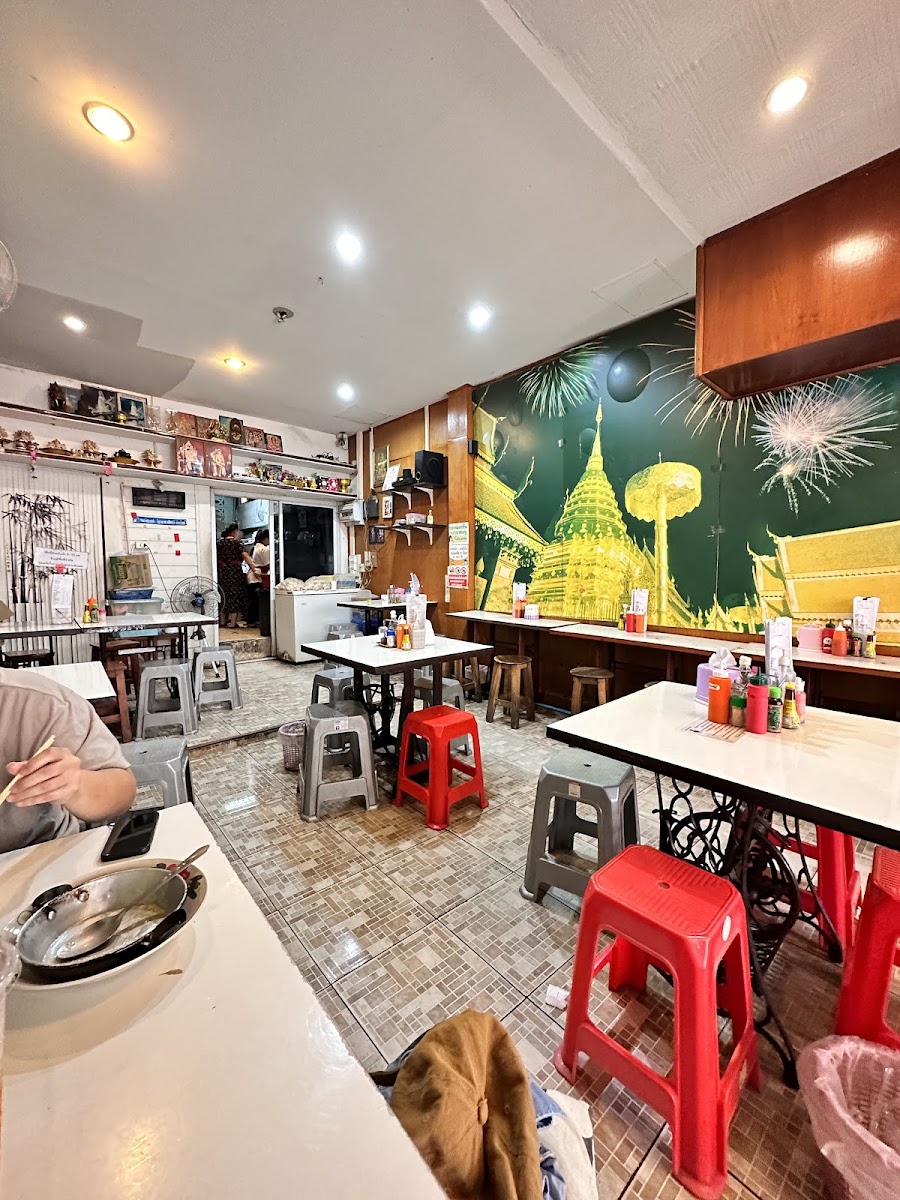
The diner sits at เลขที่ 37 Prapokklao Road, Tambon Phra Sing, Mueang Chiang Mai District, Chiang Mai 50200, Thailand, right inside the old city walls. The location makes it easy to pair breakfast with a temple visit or a casual walk through the neighborhood. Seating is simple and functional, with metal tables and stools that match the no-frills vibe. It feels honest, like a place focused more on food than decoration, and that’s exactly what regulars seem to appreciate.
What really stands out is consistency. According to hospitality research from the Cornell School of Hotel Administration, diners are more likely to return to restaurants that deliver predictable quality rather than constant novelty. Kai Ka Ta Lert Ros fits that model perfectly. The menu doesn’t try to do everything. Instead, it does one thing very well, and does it the same way every day. That’s also why online reviews often mention must try breakfast and worth the wait, phrases that pop up repeatedly across travel forums and food blogs.
Drinks are kept simple too. Thai coffee, hot tea, and occasionally soy milk round out the menu. The coffee is strong and slightly bitter, pairing well with the richness of the eggs. If you’re used to Western breakfast portions, the servings may seem modest at first, but they’re surprisingly filling. Nutrition data from Thailand’s Ministry of Public Health shows that egg-based breakfasts provide sustained energy, which explains why many locals swear by this spot before a long workday.
One thing worth noting is timing. The diner tends to sell out by late morning, especially during high season. There’s no reservation system, so patience helps. That said, turnover is fast, and the staff keeps things moving efficiently. From a professional standpoint, it’s a great example of streamlined operations: limited menu, fast cooking, minimal waste.
While the focus is clearly on kai kata, a few variations rotate depending on ingredient availability. Occasionally, certain sausages may be unavailable, which the staff explains upfront. That transparency builds trust and aligns with best practices recommended by global food safety organizations like the World Health Organization, which emphasize clear communication with customers.
Eating here feels like participating in a daily ritual rather than just grabbing breakfast. The sounds, the heat from the pans, and the steady flow of locals all reinforce that this diner plays a small but meaningful role in Chiang Mai’s food culture.
Good to know
Service options
✓ Takeaway ✓ Dine-inHighlights
✓ Great coffee ✓ Great tea selectionPopular for
✓ Breakfast ✓ Lunch ✓ Solo diningAccessibility
✓ Wheelchair-accessible car park ✓ Wheelchair-accessible entrance ✓ Wheelchair-accessible seatingOfferings
✓ Coffee ✓ Quick bite ✓ Small platesDining options
✓ Breakfast ✓ Brunch ✓ Lunch ✓ Dessert ✓ Table serviceAmenities
✓ ToiletAtmosphere
✓ Casual ✓ TrendyCrowd
✓ Groups ✓ Tourists ✓ University studentsPlanning
✓ Accepts reservationsChildren
✓ Good for kids ✓ Kids' menuParking
✓ Free of charge street parking ✓ Free parking lotPhotos
1 / 4
Location
Reviews
- No ratings yet 905 reviews
Crowded. We wait couple mins until table is free. The value set come with small drink is worth the money. Their Kai Katha is fried egg on top with green onion, minced pork and thai sausage.
this place is nice to have a vietnamese style breakfast and the price is reasonable. there is also a fresh market nearby, good for a walk to find some more local snacks.
Small hidden gem. A local resident told us about this place! Highly recommend!! Absolutely delicious. The Thai tea here is absolutely amazing! The food was great! Extremely affordable :) We ordered the Set C or D ( can't remember) either way absolutely delicious, we had to order another!
We stumbled upon this shop by accident and were pleasantly surprised! They serve amazing local Thai food at incredibly affordable prices—Set A/B/C/D is all under 100 Thai Baht. The Marinated Pork Noodle Soup is a must-try!
Famously known for their tasty Vietnamese style fried egg pan with bun sandwiches. Simply delicious and inexpensive. There’s only a few parking spots by the road in front of the restaurant so you might have to park somewhere else nearby then take a short walk here.
The food is really nice, I never tried Vietnamese breakfast, so was interesting for me! They add some vegetarian options, so u can enjoy your fried pan eggs and your delicious sweet buns! Love them so much! Around 11am the place was almost empty during the week, so u can have sit! The terrace is ok, but as is located in a main street, you will breath a lot of smoke but they have plenty sits inside!
Opens as early as 06.30am, near the morning market and serves local breakfast. Breads, eggs, porridge...etc. We had the bread with tofu and mushrooms, delicious. Porridge was tasty and satisfying. Thai coffee is usually a little weak, so the Vietnamese coffee on the menu was a great way to kick start the day (it comes with sweetened condensed milk). No regrets eating here. Once done, go for a walk at the market and enjoy the sights.